The impact of raising the minimum wage on the prices of goods and services, including fast food, is a topic of much debate among economists, policymakers, and business owners.
Democratic states seem to always make a push to increase the minimum wage with no regards to what kind of impact it would have on consumer prices, corporate profits, and inflation.
The goal seems to always be appeasing as many voters as possible for the next election. There are more than 500,000 fast food workers in California whose jobs will be impacted by this legislation.
When thinking about the potential impacts of this, there are several factors to consider:
- Labor Costs: In industries like fast food, labor can be a significant portion of overall costs. If the minimum wage increases, and if employers don’t make other adjustments (like reducing hours or staff numbers), the direct labor costs for these businesses increase. Some businesses might choose to pass on these increased costs to consumers in the form of higher prices.
- Demand Elasticity: The decision to increase prices depends on how consumers will react. If businesses believe that consumers will buy significantly less of their product after a price increase, they may decide to absorb the cost or find other areas to cut expenses instead of raising prices.
- Productivity Gains: Some studies suggest that paying workers a higher wage can lead to increased productivity, reduced turnover, and lower hiring and training costs. These potential benefits might offset some of the increased labor costs.
- Profit Margins: Depending on the profit margins of the individual businesses, they might decide to absorb the increased labor costs rather than pass them on to the consumers. Although in this case fast food is low margin.
- Other Cost-Saving Measures: Businesses might look for other ways to offset increased labor costs, such as investing in automation, reducing the number of hours the business is open, or cutting back on other types of expenses. This seems most likely. Remember what Mc Donalds did. They got rid of most of their cashiers and not have automated screens (way better experience if you ask me).
- Market Competition: In a competitive market, businesses might be hesitant to increase prices out of fear that customers will go to competitors. On the other hand, if many businesses in the sector face the same wage pressures, it’s possible that multiple businesses might raise prices simultaneously.
- Economic Multiplier Effect: Raising the minimum wage puts more money in the pockets of low-wage workers. If these workers spend more because of their increased wages, it could stimulate demand for products and services, potentially offsetting some of the cost pressures businesses face.
Numerous studies have tried to measure the effect of minimum wage hikes on restaurant prices. Many of these studies have found that restaurants often do raise prices to some degree in response to minimum wage increases.
For instance, a common estimate from past studies suggests that a 10% increase in the minimum wage might result in a price increase of around 0.4% to 0.7% in restaurants. However, the magnitude of the pass-through can vary.
That study was restaurants as a whole. Many higher end restaurants can absorb price increases better due to their higher profit margins. However, fast food in general has much lower margins.
One thing is clear – this impacts business owners and corporations overhead in the form of highly increased labor costs and those costs need to be passed somewhere.
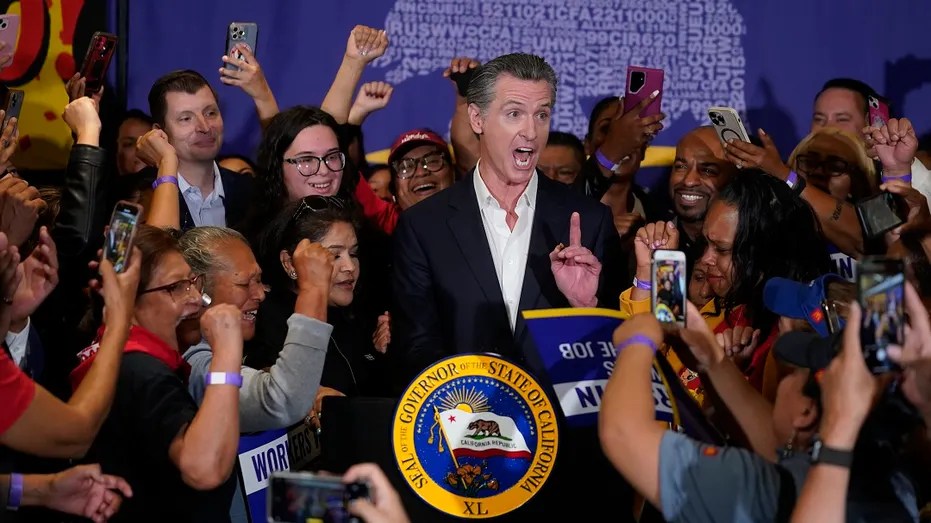
One obvious form of passing these costs is directly to the consumer, which I believe will be the case. Gavin Newsom wants to raise the current minimum wage of $16.21/hour to $20/hour. This will take effect April 1, 2024.
Good luck to all the restaurant owners in California.
Discover more from Elephantries
Subscribe to get the latest posts sent to your email.
 Elephantries